Mostar Local Culture · 22 min read
Embrace Mostar's Spirit: Your Guide to Local Culture and Traditions
Beyond the tourism: real Mostar culture. Religion, food, music, coffee rituals, what locals do on weekends, and how to engage respectfully.
Quick answer
Beyond the tourism: real Mostar culture. Religion, food, music, coffee rituals, what locals do on weekends, and how to engage respectfully.
To truly embrace Mostar’s vibrant spirit, you’ll want to delve beyond its iconic landmarks and immerse yourself in the local rhythm, understanding the traditions that make this city so special. Mostar isn’t just about incredible sights like the historic Stari Most (Old Bridge); it’s about the everyday interactions, the rich tapestry of its history, and the genuine warmth of its people. Knowing a bit about local customs, from its deep-rooted hospitality and unique coffee rituals to its diverse religious landscape, traditional foods, and weekend activities, can profoundly enrich your visit. This guide will help you step beyond being just a tourist and instead engage with the very heart of Mostar, connecting with its unique blend of cultures on a deeper level.
The Heartbeat of Mostar: Community and Family Life
Mostar’s culture is deeply rooted in community and family. You’ll quickly notice that relationships are really important here, and people invest time in connecting with each other. It’s not uncommon to see families enjoying leisurely meals together or friends simply sitting for hours over coffee. This strong emphasis on togetherness means that hospitality is a huge deal. When you’re offered food or drink, especially in someone’s home, accepting it is a sign of respect and appreciation. Refusing might come across as impolite, even if you’re not hungry or thirsty at that moment. It’s more about the gesture of sharing and welcoming.
You’ll find that family plays a central role in most people’s lives. Generations often live close by, and there’s a strong sense of collective responsibility and support. This communal spirit extends to neighborhoods and even beyond, fostering a close-knit social fabric.
Mostar’s Rich History and Its Impact on Daily Life
Mostar’s history is incredibly rich and, at times, complex. The city stands as a living testament to centuries of change, shaped by Illyrian, Roman, Byzantine, Ottoman, and Austro-Hungarian influences. You can literally see this history woven into the city’s architecture, like the elegant Ottoman-era mosques standing near Austro-Hungarian buildings. The Old Bridge, Stari Most, isn’t just a pretty picture; it’s a powerful symbol of connection and resilience, rebuilt after being destroyed during the Bosnian War on 9 November 1993. Its reconstruction, completed and reopened on 23 July 2004, was a huge moment, symbolizing the city’s ability to heal and bridge divides. The bridge was then listed as a UNESCO World Heritage site in 2005.
The city’s demographics also reflect this history. While historically diverse, the population changed significantly after the Bosnian War. As of the 2013 census, Mostar had a population of 105,797, with estimates around 103,948 in mid-2022. The dominant groups are Bosniaks around 44.1%-44.8% and Croats around 48.4%-49.1%, with a smaller percentage of Serbs around 4.1%. This diversity is visible in the city’s skyline, where minarets and church bell towers stand side by side. You’ll find that while there are still remnants of past divisions, particularly in geographical distribution, locals are often eager to share their stories and the city’s journey towards peace and unity. This blend of cultures truly makes Mostar a unique place to visit and understand.
Navigating Social Interactions: Greetings and Respect
When you meet someone in Mostar, a simple handshake with a smile and direct eye contact is the usual way to greet them. For close friends and family, it’s common to see people exchange kisses on the cheek. People here generally appreciate politeness, modesty, and respect. It’s always a good idea to use polite phrases like “Molim” (Please) and “Hvala” (Thank you). Learning a few basic Bosnian phrases can go a long way and will definitely be appreciated by locals. Even if it’s just a “Dobar dan” (Good day) or “Doviđenja” (Goodbye), it shows you’re making an effort.
One thing I’ve noticed is that Bosnians are generally very open and friendly. They might approach you for a chat, especially in the Old Town area. Engaging in these conversations, even if it’s just simple small talk, can be a really rewarding part of your trip. Just remember to be respectful and avoid sensitive topics like politics or the past conflicts unless a local brings them up first.
Dressing the Part: Modesty and Appearance
When you’re out and about in Mostar, especially when visiting religious sites like mosques or older, more traditional areas, it’s a good idea to dress a bit conservatively. This generally means covering your shoulders and knees. You’ll notice many women in Mostar wear headscarves and long dresses, particularly on the eastern side of the city. While it’s not strictly required for visitors to cover their heads in public, having a scarf handy for entering mosques is a respectful gesture. For men, avoiding shorts or very revealing clothing when visiting places of worship is also a good practice. In the more modern parts of the city or among younger generations, you’ll see a more casual style of dress, much like in other European cities.
Also, a practical tip: the cobblestone streets in Mostar’s Old Town can be quite slippery and uneven, especially around the bridge. So, comfy, sturdy shoes are a must if you want to explore without tripping!
The Joy of Food: Dining Etiquette and Bosnian Hospitality
Mostar’s food scene is a delightful blend of Ottoman, Mediterranean, and Central European influences. Eating is a big part of the social experience, and you’ll find that meals are often slow-paced affairs, meant to be savored with company. When you’re at a restaurant, it’s polite to wait until everyone is served before you start eating. And when you’re invited to someone’s home, remember that hospitality is paramount. You’ll likely be offered a spread of food and drinks immediately. Accepting these offerings is a sign of gratitude, and it’s okay to take a small portion of everything offered.
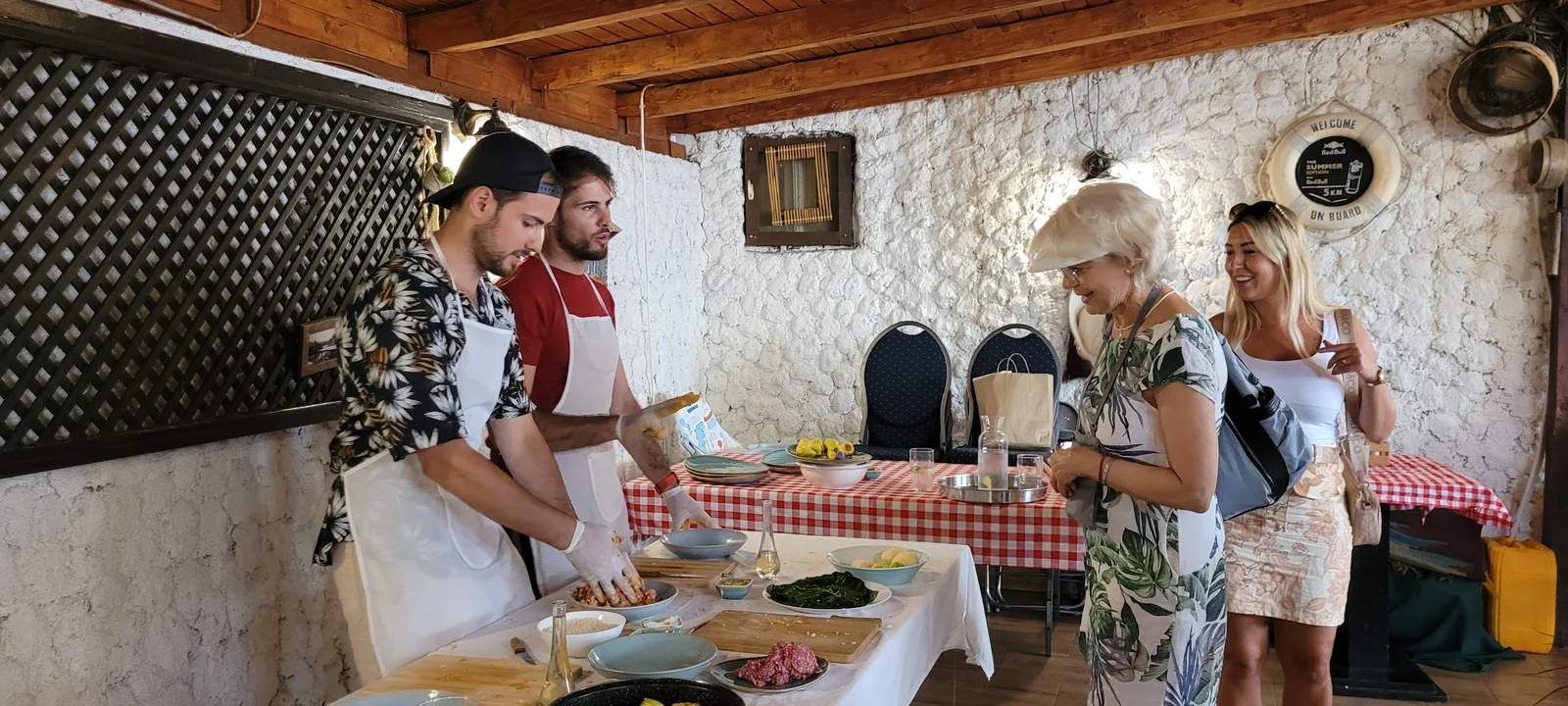
Some must-try dishes include ćevapi (grilled minced meat served with flatbread and onions), burek (hand-rolled layered filo often filled with meat or cheese), japrak (grapevine leaves stuffed with minced meat and rice), dolma (various vegetables like peppers or zucchini stuffed with meat and rice), and sarma (cabbage rolls filled with minced meat and rice). For something sweet, try baklava or tufahija (poached apples stuffed with walnuts). Don’t forget to sample local drinks like rakija (a potent fruit brandy) or the region’s excellent wines, such as the white Žilavka or the red Blatina, often produced in the Herzegovina region. You’ll find plenty of local restaurants, called konobas, in the Old Town where you can experience authentic Mostar cuisine. Some popular spots like Tima-Irma or Hindin Han are often recommended for a truly local culinary experience.
Understanding Local Businesses and Transactions
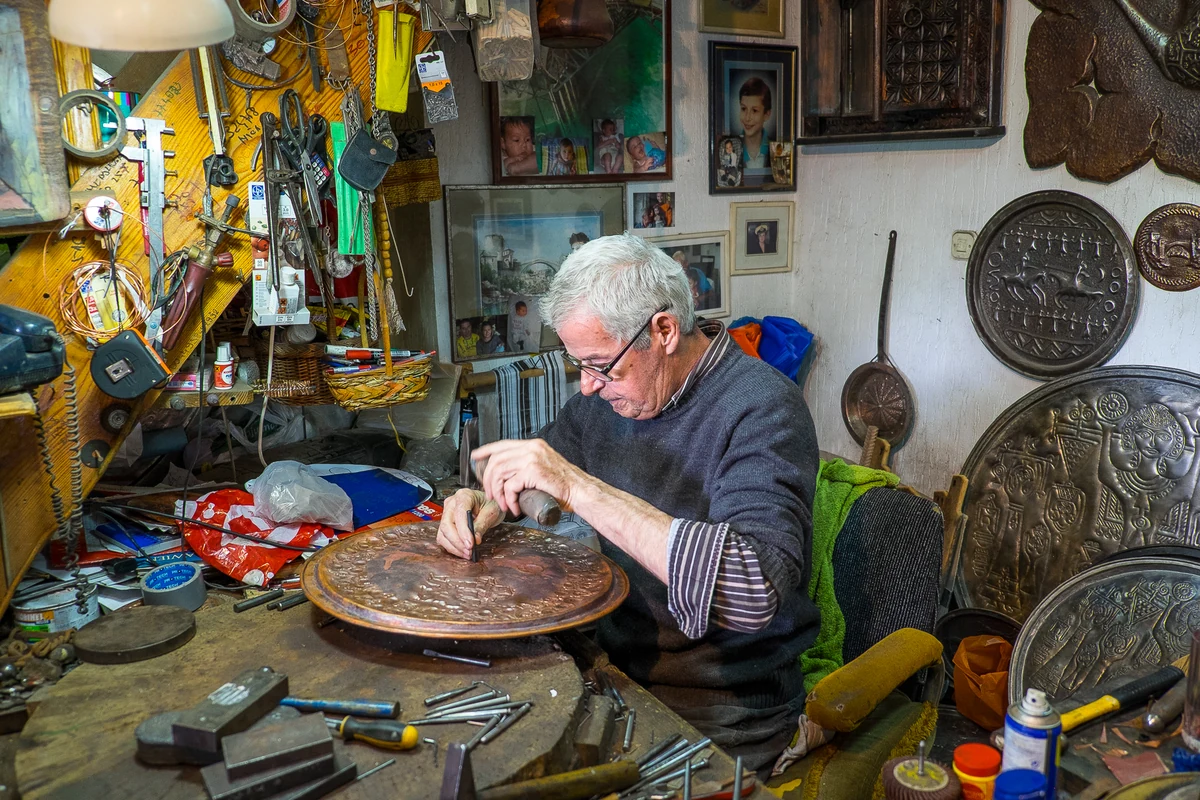
Walking through Mostar’s Old Bazaar, Kujundžiluk, you’ll step into a vibrant market filled with traditional crafts, handmade jewelry, and local delicacies. It’s a great place to pick up souvenirs and experience the city’s long tradition of craftsmanship, especially coppersmithing. When you’re shopping here, don’t be afraid to engage with the shopkeepers; they often appreciate a friendly chat. While haggling isn’t as common as in some other parts of the world, a little friendly negotiation for bigger purchases might be possible in some artisan shops. However, in most retail stores, prices are fixed.
Mostar primarily uses the Convertible Mark (KM) as its currency, and 1 Euro is approximately 1.95 KM. You’ll find ATMs easily accessible, but it’s always good to have some smaller denominations for purchases in the bazaar or for taxi rides. Speaking of taxis, while they are readily available and often the best way to get around the city outside the pedestrian Old Town, make sure you take official taxis with proper signs to avoid being overcharged. It’s usually better to call for a taxi than to hail one on the street.
Public Spaces and Conduct
Mostar’s public spaces, especially the Old Town, are bustling with life. It’s a place for strolling, socializing, and enjoying the atmosphere. You’ll often see people enjoying coffee at outdoor cafes, which are a central part of Mostar’s urban culture. When you’re walking on Stari Most, be aware that the cobblestones can be uneven and the bridge is often crowded, so watch your step.
While public displays of affection are generally acceptable, it’s usually best to keep them discreet, especially in more conservative or rural areas. Smoking is quite common in Bosnia and Herzegovina, though it’s now banned in indoor public spaces. You might still encounter it in outdoor cafe areas. Generally, Mostarians are relaxed, but being mindful of your surroundings and showing respect for others, especially elders, is always appreciated.
The Role of Faith in Mostar Life
Mostar is known for its religious diversity, with Muslim, Catholic, and Orthodox Christian communities coexisting. This mix is visible everywhere, from the architecture to the celebration of religious festivals throughout the year. You’ll see mosques, churches, and even a synagogue existing side-by-side. Prominent examples include the beautiful Karadjoz-bey Mosque, the Franciscan Church of St. Peter and Paul, and the Orthodox Cathedral of the Holy Trinity.
When visiting religious sites, respect is key. As mentioned, dressing modestly is important. If you enter a mosque, remember to remove your shoes. Often, head coverings for women are available at the entrance if needed. It’s also customary to be quiet and mindful of those who are there for prayer. Many locals are happy to share insights into their faith and traditions if you approach them with genuine interest and respect. Observing local religious holidays like Eid al-Fitr, Christmas, or Easter can offer a unique glimpse into the city’s vibrant spiritual life, though these are primarily family-focused events.
Mostar’s Unique Coffee Culture
Coffee in Mostar isn’t just a drink; it’s a way of life, a social ritual with deep cultural meaning. Bosnian coffee, similar to Turkish coffee, is prepared in a traditional copper pot called a džezva and served with a small cup (fildžan) and sugar cubes. The ritual involves slowly enjoying the rich, aromatic drink, often over extended conversations. It’s a break from the rush of daily life, a chance to connect with friends and family.
When someone offers you coffee, it’s generally considered impolite to refuse, as it symbolizes hospitality and friendship. Even if you don’t drink coffee, you might be offered tea or another beverage. Popular spots for a coffee experience include Caffe de Alma, known for its traditional décor and inviting atmosphere right in the Old Town. You’ll find numerous cafes throughout the city, from traditional kafanas to modern coffee shops, where locals gather to chat, play chess, or simply enjoy each other’s company. The slow pace of coffee drinking is a testament to the Mostarian value of connection and conversation.
The Sounds of Mostar: Music and Entertainment
Music is an integral part of Mostar’s cultural fabric, reflecting its diverse heritage. You’ll encounter a blend of traditional and modern sounds throughout the city.
Traditional Music
The most iconic traditional music genre is Sevdalinka, often referred to as the “Bosnian blues.” These melancholic, soulful folk songs speak of love, longing, and the beauty of life, often performed with intricate vocal melodies and accompanied by instruments like the accordion, violin, and guitar. While less common in everyday public spaces, you might hear Sevdalinka at traditional restaurants or cultural events. Another traditional instrument, the gusle, a single-stringed instrument, is used to accompany epic poetry and storytelling, particularly in more rural settings.
Modern Music and Nightlife
Mostar’s younger generations enjoy a vibrant modern music scene. You’ll find cafes and bars in the city center playing contemporary Bosnian pop, rock, and international hits. During warmer months, outdoor concerts and festivals occasionally take place, showcasing local bands and DJs. While Mostar isn’t known for a wild club scene, there are plenty of relaxed pubs and bars where you can enjoy live music or simply soak in the atmosphere with a local drink.
Mostar on the Weekend: Local Life and Leisure
Weekends in Mostar are a time for relaxation, family, and connection. Locals embrace a slower pace, often centered around social rituals and enjoying the natural beauty of the region.
Coffee and Strolls
The most common weekend activity is undoubtedly the extended coffee ritual. Cafes, both in the Old Town and newer parts of the city, are bustling with friends and families catching up over Bosnian coffee or a modern espresso. After coffee, a leisurely stroll along the Neretva River or through the Old Town is a popular pastime, especially in the evenings when the Stari Most is beautifully lit.
Nature and Recreation
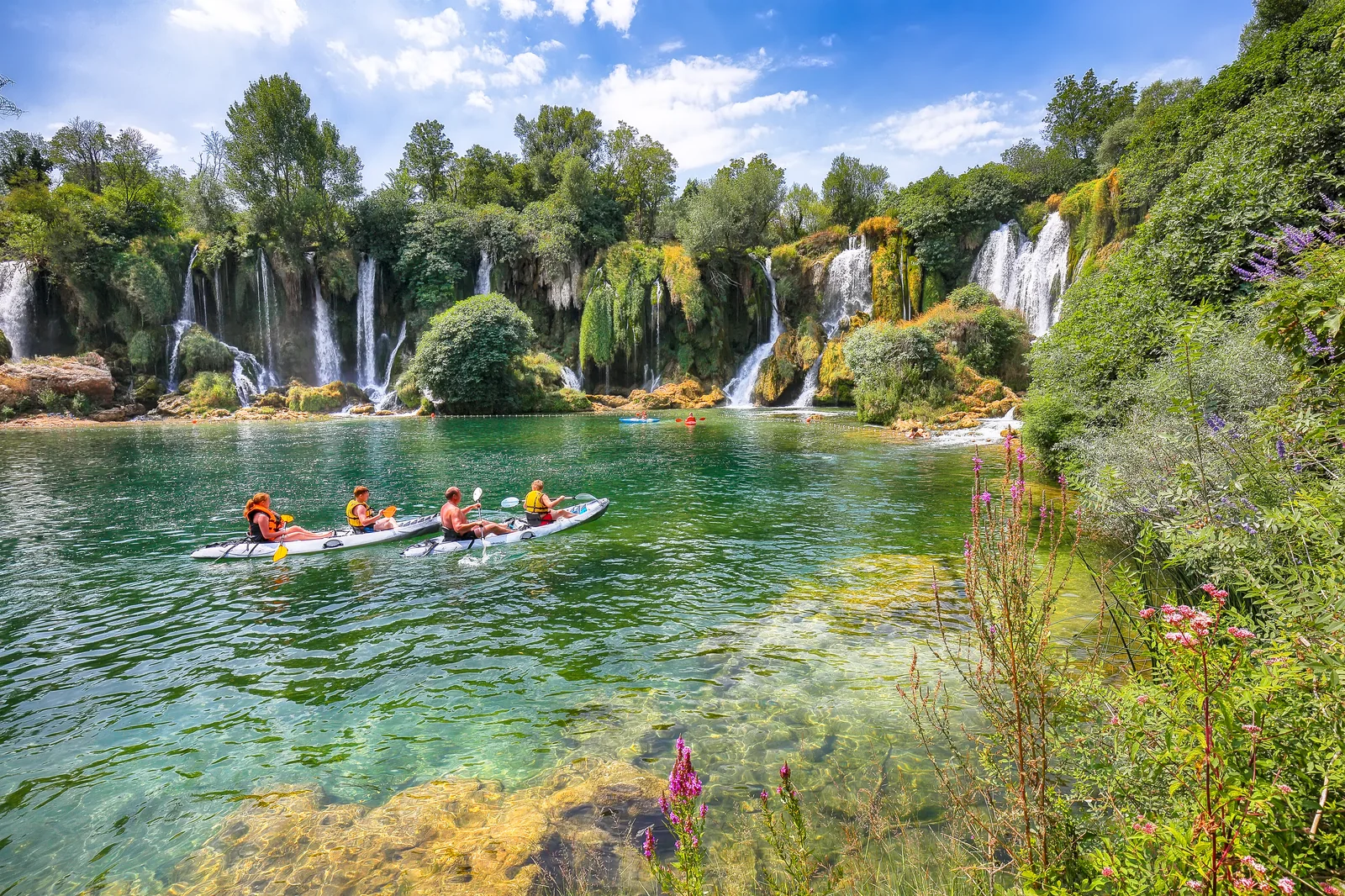
Mostarians love to escape to nature. Nearby attractions like the Blagaj Tekija (Dervish House) and the source of the Buna River are popular spots for a short drive or a picnic. The surrounding hills offer opportunities for hiking and enjoying panoramic views of the city. For the more adventurous, the Fortica zipline offers thrilling views, and the Mostar cable car provides an easy way to reach the top. Many families also head to the beautiful Kravica Waterfalls for a refreshing day out, especially during the summer months.
Family and Friends
Weekends are primarily about family gatherings and spending quality time with loved ones. Meals are often shared, and visits between relatives are common. You’ll also see friends engaging in sports, particularly football, or simply enjoying each other’s company in public parks and squares. The overall vibe is one of community, relaxation, and appreciating the simple pleasures of life.
Local Transport and Getting Around
Mostar is a relatively compact city, especially the Old Town, which is largely pedestrianized. Many of its key attractions are within walking distance. The cobbled streets, while charming, require comfortable footwear.
For getting around beyond the Old Town, taxis are widely available and generally affordable. As mentioned earlier, it’s best to call a reputable taxi service rather than hailing one on the street to ensure fair pricing. While there is a bus system, it’s not always the most convenient for tourists, and many locals prefer to drive or walk.
If you’re thinking about exploring more of the region, day trips to nearby natural wonders like Kravica Waterfalls or historical sites like Blagaj Tekija are highly recommended. You can easily book a tour or, if you prefer the freedom to explore at your own pace, consider a Mostar car rental.
Common Phrases to Know
Learning a few basic phrases in Bosnian can truly enhance your experience and endear you to the locals. Here are a few to get you started:
- Dobar dan: Good day
- Doviđenja: Goodbye
- Molim: Please / You’re welcome
- Hvala: Thank you
- Izvinite: Excuse me / Sorry
- Da: Yes
- Ne: No
- Koliko košta?: How much does it cost?
- Kako ste?: How are you?
- Dobro sam: I’m fine.
Most people working in the tourism sector, especially in the Old Town, will speak some English, but using a few local words shows genuine effort.
Visit Mostar with Explore Mostar Adventures
Our Kravica Waterfall day tour from Mostar combines the best of the Mostar region — Kravica Waterfall, Počitelj fortress, and Blagaj Tekija — in one full day. We include hotel pickup, an English-speaking guide, and all entries for €50 per person.
For custom multi-stop trips with full flexibility, book a private transfers from Mostar starting at €60/vehicle for short routes. You can easily reach us via WhatsApp at +387 62 694 887.
Explore More of Mostar
To further plan your adventure, check out our comprehensive Mostar Travel Guide for practical tips, accommodation recommendations, and more.
FAQ
Frequently asked questions
What religions are in Mostar?
Bosniak Muslim (~50%), Croat Catholic (~50%) post-war, Serbian Orthodox much smaller now. Pre-war was much more mixed. Visible in churches, mosques, and the divided neighborhoods.
Is Mostar a Muslim city?
Half-and-half. The east bank is predominantly Bosniak Muslim, the west bank predominantly Croat Catholic. The Old Town spans both — a deliberate symbol of reconciliation.
What food is Mostar known for?
Ćevapi (grilled meat), burek (hand-rolled filo with cheese/meat), peka (lamb under iron bell), Bosnian coffee in copper pot. All cheap, all delicious.
How do locals greet?
Bosnian: 'Zdravo' (hi) or 'Dobar dan' (good day). 'Hvala' (thank you). Locals appreciate the effort but are forgiving with tourists.