Practical · 5 min read
Is Mostar Tap Water Safe to Drink? A Traveler's Guide
Yes, with one important caveat. Where the water comes from, why it tastes different, and when you might want to use bottled.
Quick answer
Yes, with one important caveat. Where the water comes from, why it tastes different, and when you might want to use bottled.
To really get the most out of exploring the beauty of Mostar, you should know how to stay properly hydrated, and that often starts with a big question: is the tap water safe to drink? It’s a common concern for many travelers, and the answer isn’t always as simple as a yes or no. You’ll find different opinions out there, but let’s break down what you need to know to confidently quench your thirst in Mostar, keeping you feeling great as you wander through the city’s charming streets and historical sites.
When you’re visiting a new place, figuring out the local water situation is usually high on the list, right after finding the best ćevapi! Mostar is no exception. While many locals confidently drink straight from the tap, travelers, whose systems might not be used to different water treatment methods, often wonder if it’s a good idea for them. This guide will give you the lowdown on Mostar’s tap water, why staying hydrated is key here, and all the best tips for keeping your water bottle full without any worries.
The Big Question: Is Mostar’s Tap Water Safe to Drink?
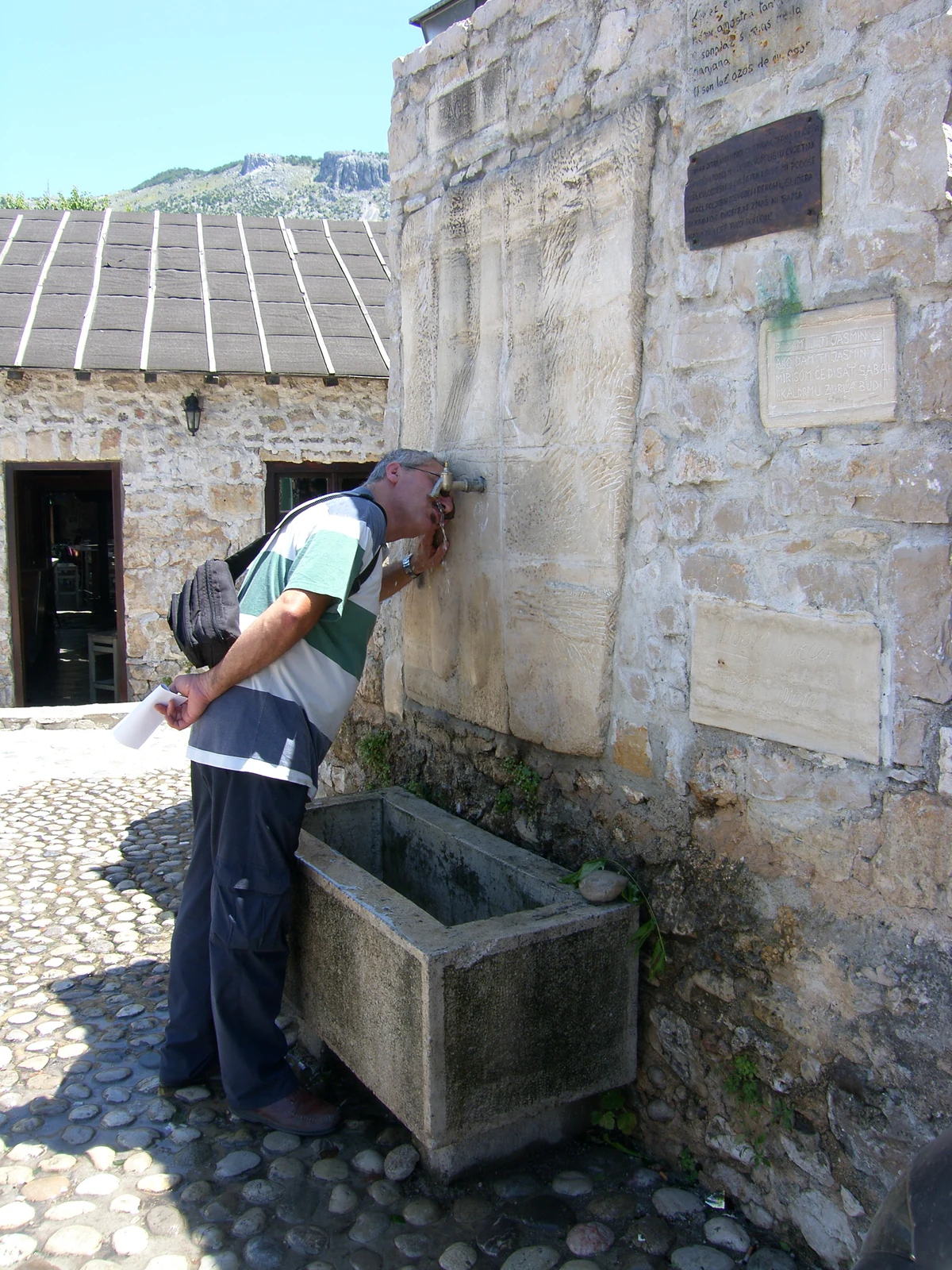
This is where things can get a little tricky, as you’ll hear different opinions. On one hand, you’ll find plenty of local sources, like our own exploremostar.com, stating that it is safe to drink tap water in Mostar. The city’s water supply is indeed treated and generally considered to meet local health standards. Many residents have been drinking it their whole lives without a second thought, and you’ll often see them refilling bottles directly from public fountains.
However, if you check out broader travel advice for Bosnia and Herzegovina, you might get a different recommendation. Some health-focused travel advisories, particularly those from international sources, often suggest that travelers stick to bottled or purified water. Why the discrepancy? Well, it often comes down to a few things:
- Aging Infrastructure: While the water at its source might be pristine and treated effectively, the pipes carrying it to your hotel or apartment can be quite old in some areas. This aging infrastructure can sometimes lead to issues, like potential contamination or changes in water quality by the time it reaches your tap.
- Traveler’s Tummy: Your body is simply not used to the specific bacterial composition or treatment chemicals in a new place. Even if the water is perfectly safe by local standards, it might still cause some minor digestive upset for sensitive individuals. Think of it like trying new food – sometimes your stomach just needs a bit of time to adjust.
- Inconsistent Quality Across the Region: While Mostar, being a major urban center, generally has better water quality, the broader picture across Bosnia and Herzegovina can be mixed, especially in more rural or remote areas where monitoring and treatment might not be as consistent.
So, what’s the takeaway? Mostar’s tap water undergoes treatment, including chlorination, to make it potable. It’s not inherently “unsafe” in the way untreated river water might be. However, for tourists, especially those with sensitive stomachs or weakened immune systems, exercising a bit of caution is a sensible approach. It’s always better to be safe than sorry when you’re far from home and trying to enjoy your trip.
Understanding Mostar’s Water Sources and Treatment
It’s actually pretty fascinating where Mostar gets its water from! The city’s tap water primarily flows from the Neretva River and its various tributaries , which are fed by powerful karstic springs in the surrounding areas. One particularly notable source is the Buna River spring near Blagaj , not far from Mostar. This natural wonder, where a massive amount of cold, clean water gushes from beneath a towering cliff, is an impressive sight and contributes significantly to the region’s water supply.
These surface water sources go through a treatment process before they make it to your tap. This typically involves conventional methods like sedimentation, filtration, and chlorination , all designed to ensure the water is safe to drink. Additionally, Mostar supplements its supply with water from local springs and wells, especially during dry spells, which often provide naturally filtered groundwater.
In essence, Mostar is blessed with abundant natural water resources, and the city does have systems in place to treat and distribute this water. The concerns for travelers usually aren’t about the fundamental source, but rather the journey the water takes through potentially older pipes and the subtle differences in its composition that your body might react to.
Why Travelers Should Exercise Caution Even if Locals Don’t
You might see locals confidently filling up their glasses, and think, “Hey, if they can do it, why can’t I?” It’s a fair thought, but there’s a real reason for the cautious approach. Our bodies, especially when traveling, are often more susceptible to new bacteria or minerals in the water.
Here’s why taking extra precautions can save you a lot of discomfort:
- Different Microbiomes: Locals have built up a tolerance to the specific microorganisms present in their water supply over years. Your digestive system, however, might not recognize these and could react negatively, leading to traveler’s diarrhea or an upset stomach. Nobody wants to spend their vacation dealing with that!
- Potential Contaminants: While official reports generally say the water is safe, occasional contamination reports can happen. Contaminants like certain types of bacteria E. coli, parasites Giardia, or even viruses Hepatitis A, norovirus can sometimes find their way into water systems, especially if there are issues with aging pipes or sudden changes like heavy rainfall. There’s also a mention of potential heavy metals if pipes are very outdated.
- Public Fountains Can Be Tricky: While you might spot beautiful public drinking fountains, their water quality isn’t always consistently guaranteed. Maintenance issues or environmental factors, especially during warmer months or after a lot of rain, can sometimes affect them. It’s generally safer to avoid these unless you’re absolutely sure of their source and upkeep.
So, while the water quality in Mostar generally ranks well – Bosnia and Herzegovina was ranked 38th globally with a score of 78.7% in a Yale University water quality study – it’s still a smart move for travelers to be mindful.
Practical Hydration Strategies in Mostar
you want to stay hydrated without taking unnecessary risks. Here are the most practical and effective ways to ensure you’re sipping safely while enjoying your Mostar adventure:
Bottled Water: Your Go-To Option
This is probably the easiest and most common way to hydrate safely in Mostar. Bottled water is widely available and generally affordable throughout the city. You’ll find it in supermarkets, small kiosks, and restaurants. It’s a convenient option, especially when you’re just arriving or if you prefer not to worry about filtration.
Just a quick note on this: while bottled water is safe, the sheer volume of plastic bottles can be a problem. There’s a significant issue with plastic pollution in some rivers in Bosnia and Herzegovina, like the Drina River, where tons of plastic waste accumulates. While the Drina isn’t Mostar’s primary water source, it highlights a broader environmental challenge. So, if you’re like me and prefer to be mindful of your environmental footprint, consider this next option.
The Power of Portable Water Filters
This is my absolute favorite tip for travelers who want to drink safely and be eco-conscious. A portable water filter bottle is a must. These bottles are designed to filter out bacteria, parasites, and microplastics from almost any fresh water source, including tap water, making it safe to drink.
- How it works: You just fill your bottle from the tap, and as you sip, the water passes through an integrated filter. It’s simple, efficient, and gives you peace of mind.
- Benefits: Not only do you get safe drinking water, but you also drastically reduce your reliance on single-use plastic bottles. It’s a win-win for your health and the planet. Many popular brands offer these, and they’re well worth the small investment before your trip. You can refill them at your accommodation, cafes, or even some public fountains though still be cautious and let your filter do the work!.
Boiling Water: A Reliable Backup
If you’re staying in accommodation with cooking facilities or an electric kettle, boiling water is a tried-and-true method for purification. Bring the water to a rolling boil for at least one minute three minutes at higher altitudes, though Mostar isn’t high enough for that to be a major concern. This effectively kills most harmful bacteria, viruses, and parasites. Once it cools, you’ve got safe drinking water.
Hydrating Beyond Just Water
Remember, staying hydrated isn’t just about drinking water. You can also get fluids from other sources:
- Fresh Fruits and Vegetables: Mostar has fantastic local markets. Eating fresh fruits like watermelon, oranges, and grapes, or crisp vegetables, can contribute significantly to your hydration. Just make sure to wash them thoroughly with bottled or filtered water before eating, especially if you plan to eat them raw.
- Local Beverages: Enjoy local teas like sage tea or various fruit teas, fresh juices, or traditional Bosnian coffee. These can be wonderfully refreshing and part of experiencing the local culture.
Staying Hydrated While Exploring Mostar’s Attractions
Mostar can get pretty warm, especially during the summer months. You’ll be doing a lot of walking, particularly if you’re wandering through the Old Town on a Mostar walking tour. Keeping a filled water bottle handy is absolutely essential to avoid dehydration and enjoy your day.
- Around the Old Bridge: The area around Stari Most can get very crowded and hot. Make sure you’re sipping frequently as you admire the bridge, browse the bazaar, and explore the cobbled streets.
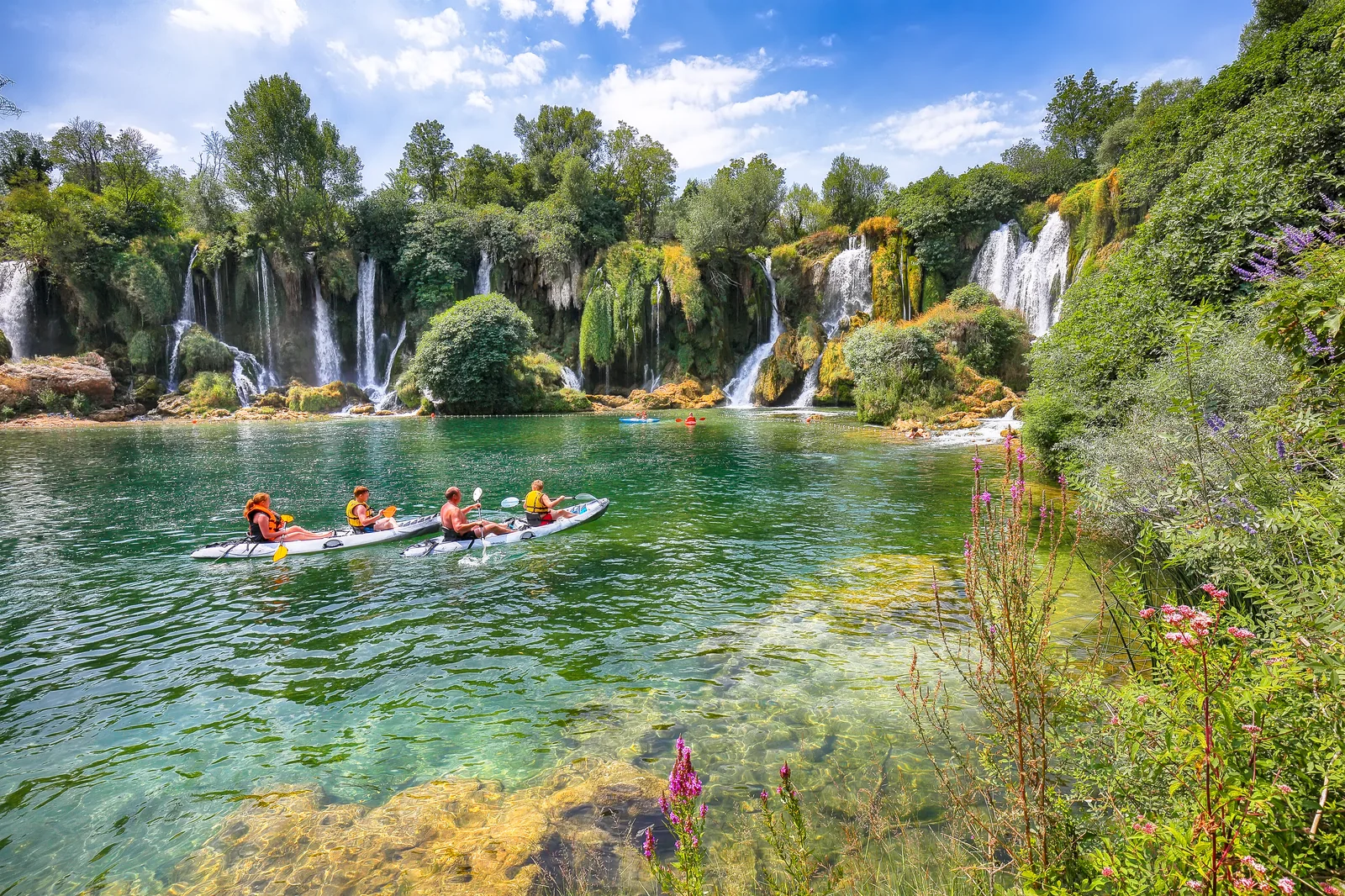
- Day Trips: If you’re planning on a day trip to the stunning Kravica Waterfalls, you’ll definitely want plenty of water, especially if you plan to swim or hike around. Places like Kravica Waterfall are perfect for cooling off, but you’ll still need to keep drinking water. Check out options like a Kravica Waterfall tour from Mostar for a memorable experience.
- Fortica Skywalk: The Fortica Skywalk offers incredible panoramic views, but it’s often exposed to the sun. Carry water with you for this adventure.
Even if you’re planning on dining out a lot, don’t assume every restaurant will automatically serve filtered water. It’s perfectly fine to ask for bottled water, or to discreetly refill your filter bottle. Staying on top of your hydration will ensure you have the energy to soak up all the history and beauty Mostar has to offer.
Reducing Your Plastic Footprint
We talked a bit about the plastic pollution issue in Bosnia and Herzegovina. Choosing to use a reusable water bottle, especially one with a filter, really makes a difference. It helps reduce the demand for single-use plastics, which often end up in landfills that struggle to cope, or worse, polluting the beautiful rivers that flow through the country.
Embracing responsible tourism means thinking about your impact. By opting for a filter bottle or refilling larger water jugs, you’re not just safeguarding your health, but also contributing positively to the local environment. It’s a small change that has a big ripple effect.
Visit on a guided tour
Our Kravica Waterfall day tour from Mostar combines the best of the Mostar region — Kravica Waterfall, Pocitelj fortress, and Blagaj Tekija — in one full day. €50 per person, hotel pickup, English-speaking guide, all entries.
For custom multi-stop trips with full flexibility, book a private transfers from Mostar start at €60/vehicle for short routes. WhatsApp +387 62 694 887.
FAQ
Frequently asked questions
Is Mostar tap water safe to drink?
Yes, technically safe — Mostar tap water meets EU standards. But it tastes mineral-heavy due to high karst limestone content. Most locals drink filtered or bottled.
Should I buy bottled water in Mostar?
Up to you. Tap is safe; bottled tastes neutral. Bottled water cheap (€0.50/litre). Many travelers compromise: tap for brushing teeth, bottled for drinking.
Is Mostar water filtered?
Municipal water is treated and meets standards. The taste comes from natural limestone, not contamination.
Can babies drink Mostar tap water?
Healthy babies generally fine, but bottled water is the conservative choice for infants. Consult your pediatrician.