Destinations · 5 min read
Hadži Alija Mosque, Pocitelj — History & Visit Guide
The 1563 Hadži Alija mosque in Pocitelj: Ottoman architecture, restoration history, visitor info, dress code. €2 entry, donation-based.
Quick answer
The 1563 Hadži Alija mosque in Pocitelj: Ottoman architecture, restoration history, visitor info, dress code. €2 entry, donation-based.
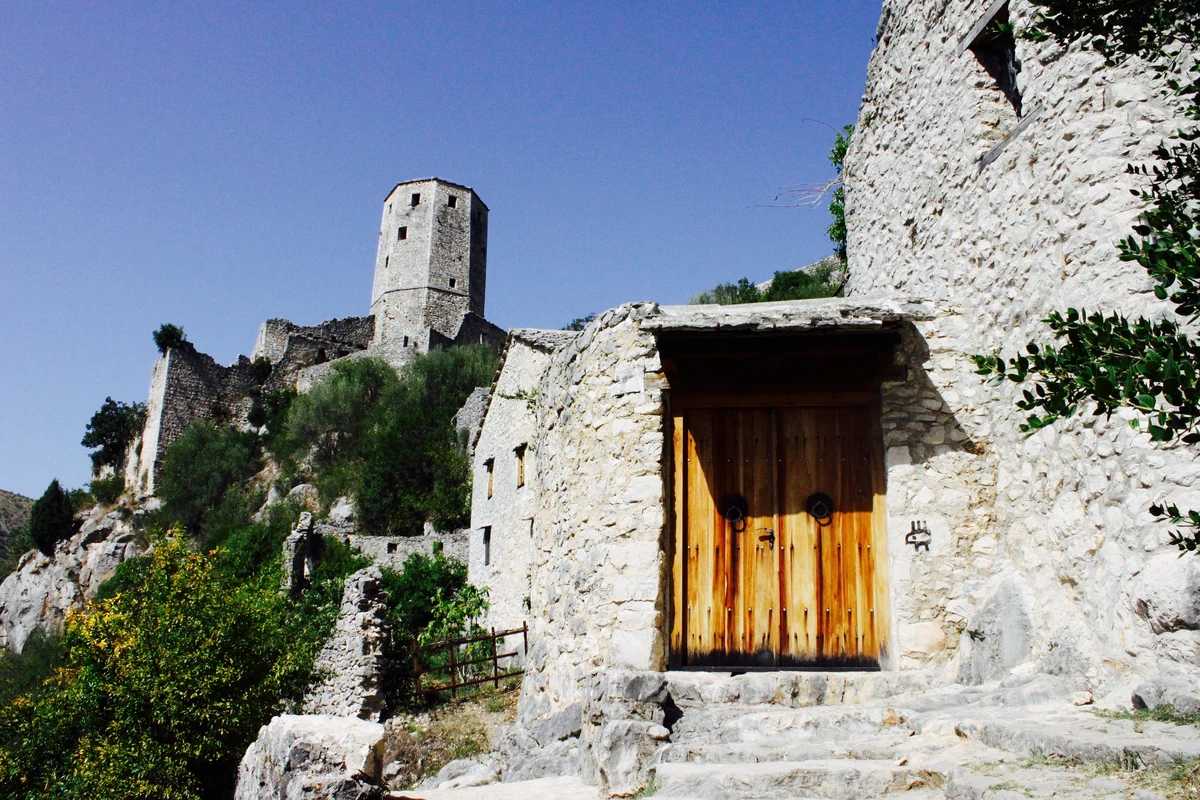
The Hadži Alija mosque is the architectural anchor of Pocitelj village. Built in 1563, damaged in 1993, restored by 2005 — its survival mirrors the village’s larger story.
This is a short guide for visitors. For the full Pocitelj village experience, see our Pocitelj guide.
Quick visit info
| Item | Detail |
|---|---|
| Built | 1563 |
| Builder | Ottoman governor Hadži Alija |
| Status | National Monument of BiH (since 2003) |
| Entry fee | €2 donation |
| Hours | Daily 9:00–18:00 (reduced winter) |
| Dress code | Covered shoulders + knees; women cover hair |
| Photography | Yes, no flash, not during prayer |
| Disability access | Limited — steep cobblestones to reach |
History
Hadži Alija was the Ottoman administrator for the Pocitelj region in the 16th century. He commissioned the mosque in 1563 as the centerpiece of the expanding Ottoman fortified town — alongside an adjacent medresa (religious school), Tabhana (Ottoman bath), and the Sahat Kula (clock tower). The complex made Pocitelj a regional administrative and religious center.
The mosque survived 400+ years with only minor restoration until 1993, when the Croatian Defence Council shelled Pocitelj during the 1992–95 war. The minaret was damaged, the roof partially collapsed, and the interior fittings burned.
Restoration began in 2002 with funding from:
- UNESCO (cultural heritage protection)
- European Union (post-conflict reconstruction)
- Aga Khan Trust for Culture (Islamic heritage)
- Government of Turkey (TIKA)
Reopened to worship in 2005. The interior was rebuilt to historic specifications using original surviving materials where possible.
Architecture
The mosque is classic provincial Ottoman style — single dome, square base, single slim minaret. Small by Istanbul standards (this is a village mosque, not a sultan’s project) but exceptional for the region.
Outside
- Minaret — 25 metres tall, hexagonal stone base, single balcony for muezzin
- Domed prayer hall — single dome on stone walls 1m thick
- Portico — three-arch covered entrance for taking off shoes
- Şadirvan (ablution fountain) — outside the entrance, cold spring water
Inside
- Wooden ceiling — original 16th-century carved cedar, geometric Ottoman patterns
- Mihrab — calligraphic prayer niche pointing to Mecca, with original carved stone
- Minbar — wooden pulpit with original star-inlay decoration
- Carpets — traditional kilim from Bosnian wool
- Mahfil — raised wooden gallery (women’s section in some readings; in Pocitelj used by older male worshippers)
Visiting respectfully
The mosque is active — actual prayers happen here. Five prayer times daily (varying by season; check Friday especially as it’s the main weekly prayer at 12:30–14:00).
Outside prayer times, visitors are welcome. A few dos and don’ts:
Do
- Take off your shoes at the entrance (rack provided)
- Cover shoulders and knees
- Women: head covering required (scarf provided at entrance if you forgot)
- Speak quietly
- Photograph the interior (no flash, no people in shot)
- Leave a donation in the box at the door (€2–5 suggested)
Don’t
- Walk in front of someone praying
- Enter during the call to prayer (wait 10 minutes)
- Touch the carpets with shoes
- Photograph worshippers
- Eat or drink inside
Best time to visit
Mornings (10:00–11:30)
Soft light through the carved windows hits the carpet — best photography. Usually empty.
Late afternoon (15:30–17:00)
Warm western light on the stone exterior. Mosque often has 2–4 visitors, comfortable atmosphere.
Avoid
- Friday 12:00–14:30 — congregational prayer
- August midday — packed with bus tours
Visiting Pocitelj as a day trip
The mosque is part of the larger Pocitelj village experience. Most travelers do:
- Walk up from parking (10 min)
- Visit the mosque (15 min)
- Climb the medieval fortress (30 min round trip)
- Walk the lower village lanes (30 min)
- Lunch or coffee at the village café
Allow 90 minutes minimum for Pocitelj overall. The mosque is one of 4–5 stops.
Combined day from Mostar
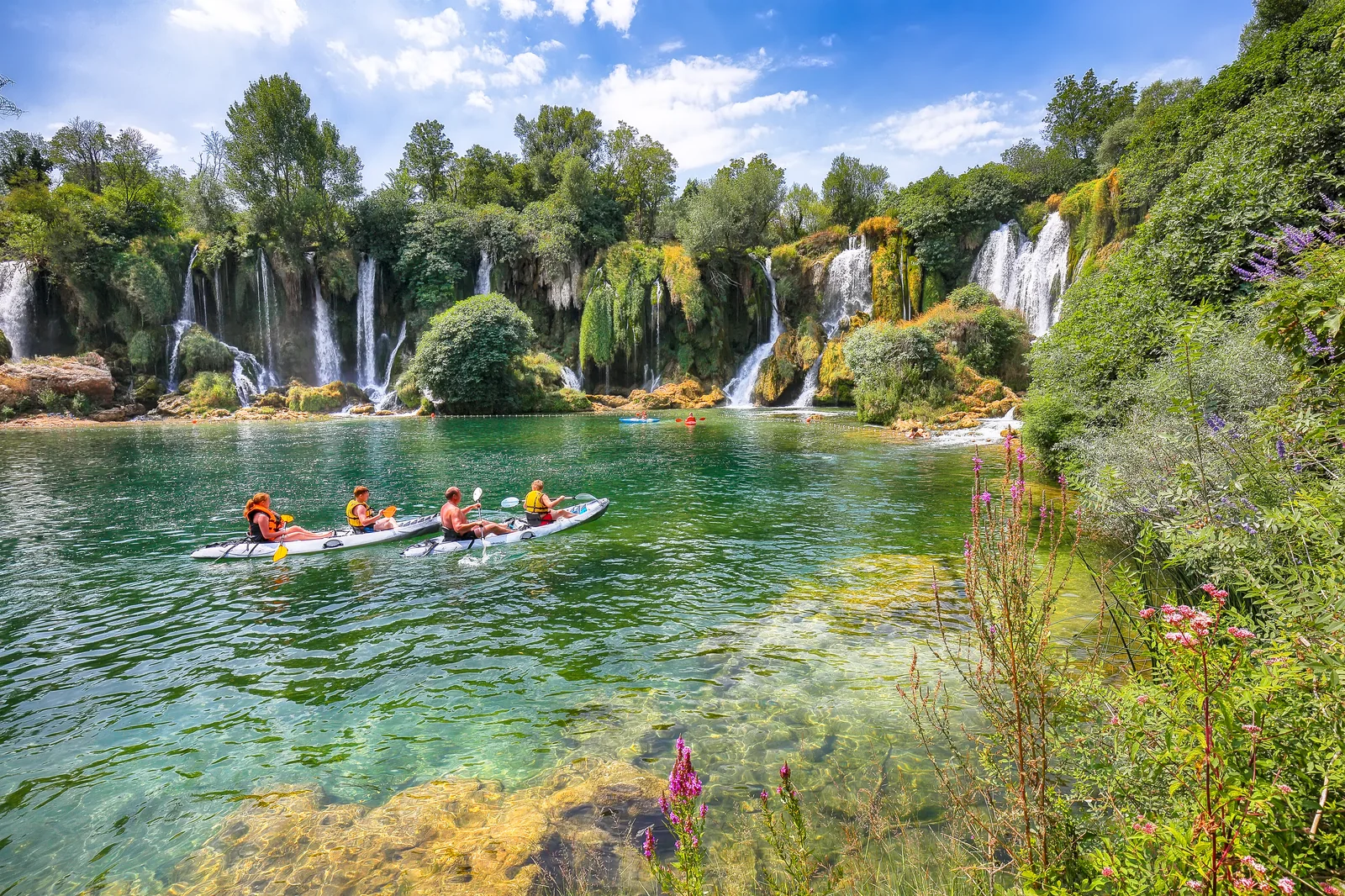
The most efficient way to visit is on our Kravica day tour from Mostar which stops at Pocitelj for an hour, plus Blagaj and Kravica Waterfall in the same day. €50 per person, hotel pickup, English guide.
For a custom Pocitelj-focused trip with longer time at the mosque, book a private transfers from Mostar start at €60/vehicle for short routes, English driver, total flexibility. WhatsApp +387 62 694 887.
Related reading
- Pocitelj — full village guide
- Mostar to Pocitelj transport
- Capljina Travel Guide
- Mostar Old Bridge Guide — another Ottoman heritage site
FAQ
Frequently asked questions
Is the Pocitelj mosque open to non-Muslims?
Yes — open to all visitors during non-prayer times. Modest dress required (covered shoulders + knees, head covering for women). €2 donation suggested.
How old is the Pocitelj mosque?
Built in 1563 by Ottoman governor Hadži Alija. One of the few mosques in Herzegovina from this period to survive both World Wars and the 1992-95 war intact (with restoration).
Was the mosque damaged in the 1990s war?
Yes. Croatian Defence Council shelled Pocitelj in 1993, damaging the minaret and roof. Restoration completed 2002-2005 with international funding (UNESCO, EU, Aga Khan Trust).
What's inside the mosque?
Original 16th-century carved wooden ceiling, the calligraphic mihrab (prayer niche pointing to Mecca), the minbar (pulpit), and traditional Ottoman carpets. Photography allowed without flash.