Destinations · 5 min read
When to Visit Pocitelj — Best Months, Weather & Crowds
Best time to visit Pocitelj: April–June and September–October are ideal. July–August is hot and crowded. Winter is empty but mosque hours reduced.
Quick answer
Best time to visit Pocitelj: April–June and September–October are ideal. July–August is hot and crowded. Winter is empty but mosque hours reduced.
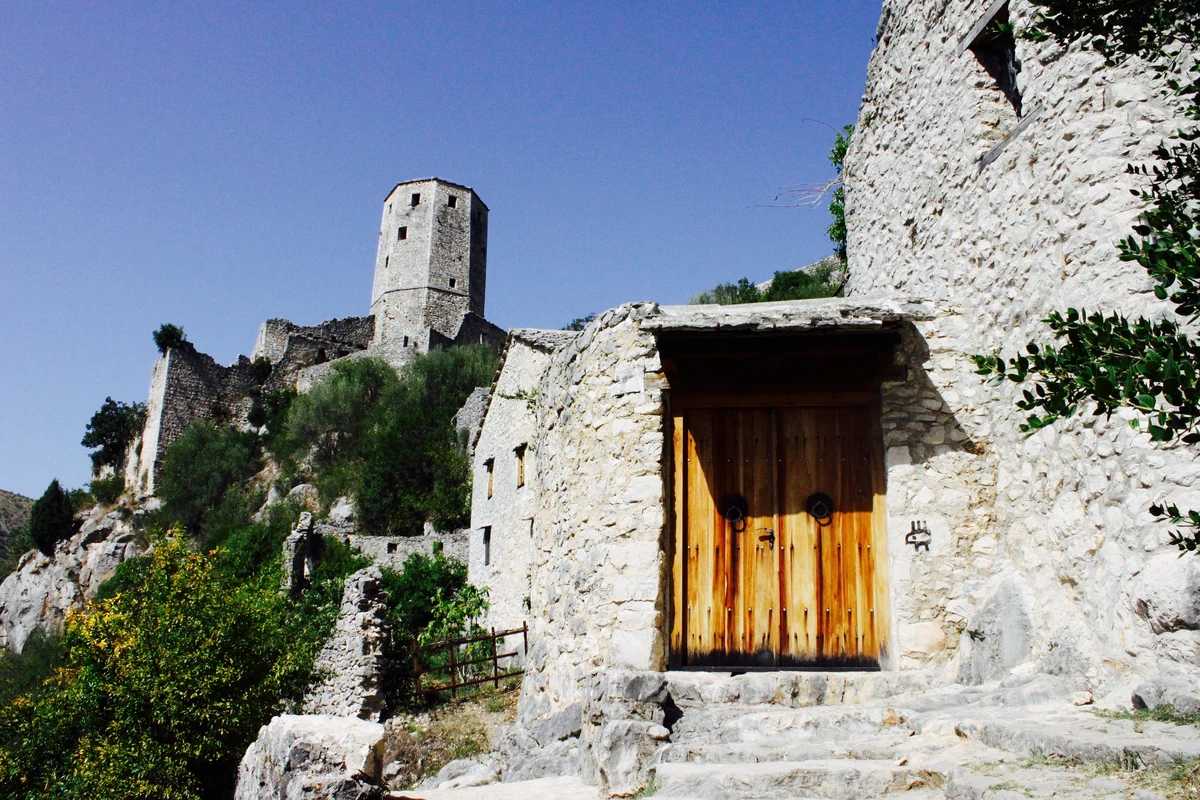
Pocitelj is open every day of the year, but the experience changes dramatically by season. This is a short guide to picking your visit window — when to come, when to avoid, and what each month is actually like.
For the full Pocitelj overview, see our Pocitelj guide.
At a glance
| Season | Pros | Cons |
|---|---|---|
| Spring (Apr–May) | Wildflowers, soft light, comfortable temps | Mosque restoration occasionally limits access |
| Summer (Jun–Aug) | Long days, all services open | 35°C, packed with bus tours, no shade |
| Autumn (Sep–Oct) | Pomegranates, golden light, fewer crowds | Reduced bus frequency in late October |
| Winter (Nov–Mar) | Empty, atmospheric, free | Cold wind in canyon, mosque limited hours |
Spring (April–May)
The best month combined with October.
Why
- Temperatures 15–22°C during the day
- Wildflowers between the village walls — pomegranate blossoms in May
- Soft warm light all day (winter sun angle still low)
- Few bus tours start until mid-May
- All services open from April 1st
Watch out
- April rain can make the cobblestones slippery
- Some restoration work continues from winter
Best week
First two weeks of May — perfect weather, low crowd, all services open.
Summer (June–August)
The most crowded but the longest hours.
Why come
- All services open: cafés, mosque, restaurant, water fountain
- Daylight until 21:00 — golden hour photography after tour buses leave
- All Mostar day tours pass through
Why be careful
- Heat: 30–38°C, limestone reflects it
- Crowds: July–August get 200+ visitors at peak hours
- No shade on the fortress climb
- Photography is harsh midday — wait for late afternoon
Survival tips for summer
- Visit before 10 AM or after 17:00 — never noon
- Bring water (1 litre minimum per person for the climb)
- Wear sun hat + sunscreen
- The mosque interior is the only naturally cool spot — perfect midday shelter
Autumn (September–October)
The other “best month” combined with May.
Why
- Temperatures 18–25°C — perfect walking weather
- Pomegranate season — village grandmothers selling juice (€3/glass)
- Autumn light is famously photogenic on limestone
- Bus tours start dropping after mid-September
- Air clearer, distant valley views sharper
Watch out
- October sunsets early (18:30 by month-end)
- First rains can make stones slippery
- Some cafés reduce hours from October 15
Best week
Last week of September to first week of October — pomegranates ripening, summer crowds gone, weather still warm.
Winter (November–March)
Empty and atmospheric. This is when locals visit.
Why
- No tourists — often you’ll have the village to yourself for 30+ minutes at a stretch
- Free everything (entry to fortress and village always free, but extras like café drinks now negotiable)
- Mist on the Neretva below — best photography conditions
- Costs: hotel rates 30–50% lower, no parking pressure
- The mosque interior feels especially atmospheric
Watch out
- Cold wind — the canyon funnels north winds; bring a warm layer
- Reduced services — mosque officially open weekends only Nov–Feb (often unlocked anyway, ask the village imam)
- Café and restaurant: weekends only Nov–Mar
- Snow rare but possible (1–2 days/year) — check forecast
- Slippery cobbles after rain — proper boots needed
Best week
Mid-January — coldest but driest week typically. Or first week of March if you want milder weather.
Day-by-day timing
Within a given day, optimal visit windows:
| Time | Conditions |
|---|---|
| 7:00–9:00 | Empty, perfect light, café opens 9 AM |
| 9:00–10:30 | Few visitors, great photography |
| 10:30–13:00 | Bus tours arrive (June–Sept), busy |
| 13:00–15:00 | Lunch lull, often quiet |
| 15:00–17:00 | Late tours, golden hour photography |
| 17:00–19:00 | Locals, quiet, perfect light |
| 19:00–sunset | Empty, blue hour, magical (summer only) |
Avoid Friday 12:00–14:00 year-round — main mosque prayer.
What to wear by season
Spring/Autumn
- Layers (T-shirt + light jacket)
- Comfortable walking shoes
- Sun hat for midday
Summer
- Light cotton, breathable
- Sun hat (mandatory, no shade on fortress)
- Closed-toe shoes for the cobbled climb
- 1L water minimum
Winter
- Warm waterproof jacket
- Gloves (the metal handrails freeze)
- Waterproof boots with grip
- Hat (canyon wind sharp on the ears)
How to visit Pocitelj
The most efficient way to combine Pocitelj with the right weather window: book one of our Mostar day tours that includes Pocitelj on the same day as Kravica + Blagaj.
- Kravica Waterfall day tour from Mostar — full day, €50 per person, hotel pickup, includes 1 hour at Pocitelj
- Mostar Day Trip Options — full menu of guided south-of-Mostar day trips
For a Pocitelj-focused private trip with extended time, book a private transfers from Mostar start at €60/vehicle for short routes, English driver, custom routing. WhatsApp +387 62 694 887.
Related reading
- Pocitelj — full village guide
- Mostar to Pocitelj transport
- Hadži Alija Mosque
- Kravica Waterfall in Winter — similar off-season story
FAQ
Frequently asked questions
What is the best month to visit Pocitelj?
May and October are the two best months. Comfortable temperatures (15-25°C), low crowds, mosque and café both open, plus October has pomegranate season.
How hot does Pocitelj get in summer?
July and August regularly hit 35°C. Limestone reflects heat, no shade on the fortress climb. Visit at 7-10 AM or after 17:00 in summer, never midday.
Is Pocitelj open in winter?
Yes year-round. Free village entry, free fortress access. Mosque has reduced hours (often weekends only). Café open weekend afternoons. Roads always passable.
When is pomegranate season in Pocitelj?
Mid-September to early November. Village grandmothers sell freshly squeezed juice from a stand near parking — €3 a glass. The pomegranate trees grow on the village walls; it's a real local product.